Local cuisine with unique ingredients: A Culinary Exploration
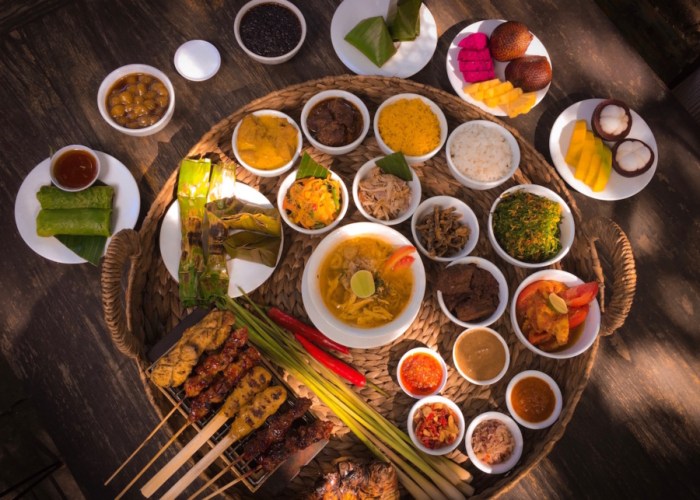
Local Cuisine with Unique Ingredients
Local cuisine with unique ingredients – Local cuisine is a reflection of a region’s culture, history, and traditions. It is a way for communities to showcase their identity through the food they prepare and consume. One of the key elements that set local cuisine apart is the use of unique ingredients that are specific to a particular region or culture.
Examples of Unique Ingredients
Unique ingredients play a crucial role in the flavor profile of local dishes around the world. These ingredients are often sourced locally and are not commonly found in other parts of the world. Some examples include:
- Peruvian aji amarillo pepper
- Japanese yuzu citrus fruit
- Moroccan preserved lemons
- Italian truffles
Contribution to Distinct Flavors
Unique ingredients bring a depth of flavor and complexity to local cuisine that cannot be replicated with substitutes. They add a unique twist to traditional recipes, making them stand out and creating a memorable culinary experience for those who indulge in these dishes.
Preserving Traditional Recipes
It is essential to preserve traditional recipes that utilize unique ingredients to ensure that the culinary heritage of a region is passed down through generations. By maintaining these recipes, we are honoring the history and cultural significance of the dishes, keeping them alive for future enjoyment.
Festival Travel
Exploring different cultures through festival travel is a unique experience that allows travelers to immerse themselves in the local traditions and customs. Festivals showcase the rich heritage of a community and provide insight into their way of life.
Food’s Role in Festivals
Food is an integral part of festivals around the world, serving as a symbol of celebration and unity. It brings people together, fostering a sense of community and sharing. Many festivals have specific dishes or ingredients that hold cultural significance and are prepared in traditional ways.
- In Japan, cherry blossoms are celebrated with sakura-themed treats like sakura mochi and sakura tea.
- During the Chinese New Year, dumplings are a staple dish believed to bring good luck and prosperity.
- Oktoberfest in Germany is synonymous with beer and traditional Bavarian foods like pretzels, sausages, and sauerkraut.
Personal Experiences
Attending food festivals has allowed me to taste unique dishes and flavors that are not commonly found in everyday cuisine. From trying exotic fruits to sampling local street foods, each festival has offered a new culinary adventure and a deeper appreciation for diverse culinary traditions.
Hiking Trails
When exploring hiking trails, one can truly immerse themselves in the local culture and cuisine of a region. The connection between hiking trails and local cuisine is not just about refueling after a long trek, but also about experiencing the flavors and traditions unique to that area.
Regions with Unique Local Dishes
- In the Italian Dolomites, hikers can enjoy hearty dishes like polenta served with local cheeses and meats.
- Along the Appalachian Trail in the United States, hikers can savor Southern specialties such as fried green tomatoes and shrimp and grits.
- In Japan’s Kumano Kodo trail, hikers can taste traditional dishes like miso soup and fresh sushi made with local seafood.
Benefits of Trying Local Cuisine
- Enhances the overall hiking experience by providing a deeper connection to the region’s culture.
- Supports local communities and small businesses that rely on tourism for their livelihood.
- Offers a chance to try new and exciting flavors that may not be available back home.
Recommendations for Culinary Exploration
- Ask locals or trail guides for recommendations on where to find the best local dishes.
- Visit farmers’ markets or food stalls along the trail to sample fresh and authentic ingredients.
- Be open to trying new foods, even if they may seem unfamiliar at first.
Travel Reviews
Travel reviews play a crucial role in promoting local cuisine with unique ingredients. They provide valuable insights for travelers looking to experience authentic dishes and flavors specific to a particular region. Positive reviews can significantly impact the popularity of local restaurants, attracting more visitors and boosting the overall reputation of the establishment.
Platforms for Local Eateries Reviews
- Yelp: A popular platform where users can rate and review local restaurants, highlighting their unique dishes and ingredients.
- TripAdvisor: Known for its extensive database of restaurant reviews, travelers can find detailed information on local eateries offering distinctive culinary experiences.
- Zomato: Focuses on providing reviews and recommendations for restaurants, including those serving local cuisine with unique ingredients.
Impact of Positive Reviews
- Increased Visibility: Positive reviews can attract more customers to local restaurants, leading to higher foot traffic and visibility in the community.
- Enhanced Reputation: Good reviews can help establish a positive reputation for a restaurant, building trust among potential diners and encouraging repeat visits.
- Word of Mouth: Satisfied customers are more likely to recommend local eateries with unique dishes to friends and family, further promoting the culinary experience.
Tips for Writing Effective Travel Reviews
- Be Detailed: Describe the unique ingredients, flavors, and presentation of dishes to give readers a vivid picture of the culinary experience.
- Provide Context: Share information about the restaurant’s ambiance, service, and overall dining experience to give a comprehensive review.
- Include Photos: Visuals can enhance the review and provide a glimpse of the dishes being discussed, enticing readers to visit the restaurant.
- Be Honest: Write a balanced review highlighting both positive aspects and areas for improvement, offering constructive feedback to the restaurant.
Travel Accessories
When embarking on a culinary adventure to explore local cuisine with unique ingredients, having the right travel accessories can enhance the overall experience. These accessories not only make your food journey more convenient but also add a touch of excitement to your exploration.
Must-Have Accessories for Food Enthusiasts
- Portable Utensil Set: A compact set of utensils can come in handy when trying out street food or picnicking in local parks.
- Insulated Food Container: Keeping your food fresh while on the go is essential, especially when you want to savor local delicacies later.
- Collapsible Water Bottle: Staying hydrated is key during your food adventures, and a collapsible water bottle saves space in your bag.
- Food Tour Guidebook: Invest in a guidebook that highlights the best food spots in the area to ensure you don’t miss out on any culinary gems.
Accessories for Tasting and Exploring
- Food Tasting Kit: Carry a compact kit with small containers to sample local spices, sauces, or condiments along the way.
- Foldable Picnic Blanket: Enjoying a meal outdoors becomes more enjoyable with a lightweight and easy-to-carry picnic blanket.
- Travel Spice Grinder: Enhance your dishes with freshly ground spices by bringing a portable spice grinder on your travels.
Accessories for Documenting the Experience
- Portable Food Photography Kit: Capture mouth-watering shots of your culinary finds with a portable photography kit that includes a mini tripod and lighting accessories.
- Travel Journal: Document your food journey, jot down tasting notes, and record memorable experiences in a travel journal dedicated to culinary adventures.
- Smartphone Tripod: For those impromptu food photos or videos, a smartphone tripod ensures steady shots without the need for extra hands.
Road Adventures
Road adventures offer a unique opportunity to discover local cuisine by immersing travelers in the culinary traditions of different regions. The connection between road trips and local food is deeply rooted in the idea of exploring off-the-beaten-path eateries and roadside stalls that showcase authentic flavors.
Popular Road Trip Routes for Culinary Experiences
- Route 66 in the United States: Known for its iconic diners and food joints serving classic American dishes like burgers, BBQ, and apple pie.
- The Great Ocean Road in Australia: Offers a taste of fresh seafood and local produce from coastal towns along the route.
- The Amalfi Coast in Italy: Famous for its Mediterranean cuisine featuring pasta, pizza, fresh seafood, and limoncello.
Stories of Local Dishes on Road Adventures
During a road trip through the countryside of France, I stumbled upon a quaint family-owned bistro that served the most decadent Coq au Vin, a traditional French dish made with chicken braised in red wine. The rich flavors and cozy atmosphere made it a memorable dining experience that I still reminisce about.
Tips for Exploring Diverse Local Cuisines on Road Trips
- Research local specialties and food stops along your route before embarking on the journey.
- Be open to trying new dishes and flavors unique to the region you are visiting.
- Engage with locals to learn about their food culture and recommendations for hidden culinary gems.
- Don’t hesitate to veer off the main road and explore smaller towns and villages known for their authentic culinary offerings.
Tropical Islands
When it comes to tropical islands, one cannot ignore the unique fusion of local cuisine with exotic ingredients that create a symphony of flavors. The island environment plays a crucial role in shaping the traditional dishes, offering a glimpse into the rich cultural tapestry of these communities.
Influence of Island Environment on Flavors
The tropical climate, abundant seafood, and lush vegetation of the islands contribute to the vibrant and bold flavors found in local dishes. The proximity to the ocean results in fresh seafood being a staple in many recipes, while the fertile land yields an array of tropical fruits and vegetables that add a distinctive taste to the cuisine.
Exotic Ingredients in Island Recipes
- Coconut: A versatile ingredient used in both savory and sweet dishes, coconut adds a creamy texture and a hint of sweetness to many island recipes.
- Plantains: A starchy fruit similar to bananas, plantains are often fried or boiled and served as a side dish or snack in island cuisine.
- Spices: Islands are known for their unique spice blends, such as jerk seasoning in the Caribbean or lemongrass in Southeast Asia, which elevate the flavors of dishes.
- Fish Sauce: A pungent condiment made from fermented fish, fish sauce is a common ingredient in many island recipes, adding depth and umami flavor.
Cultural Significance of Food in Island Communities
Food plays a central role in island communities, not just as sustenance but also as a reflection of their heritage and traditions. Many dishes are passed down through generations, preserving the culinary history of the islands and serving as a source of pride for the locals.
Travel Rewards
Travel rewards programs can greatly enhance culinary experiences with local cuisine by offering opportunities to explore unique food destinations and earn benefits for food-related experiences during trips. Redeeming travel rewards for memorable culinary adventures can add an exciting element to your travel experiences.
Benefits of Travel Rewards for Culinary Experiences
- Access to Exclusive Dining Experiences: Some travel rewards programs offer access to exclusive dining experiences, allowing you to try local delicacies and unique dishes that may not be available to the general public.
- Discounts on Food and Beverage: Many travel rewards programs provide discounts or special offers on food and beverage purchases at select restaurants, making it more affordable to dine out and explore the local culinary scene.
- Free Meals and Tastings: By earning travel rewards points, you can often redeem them for free meals or tastings at popular food destinations, allowing you to sample a variety of local dishes without breaking the bank.
Examples of Travel Rewards Programs
- Chase Sapphire Preferred: This credit card offers bonus points for dining purchases and allows you to transfer points to various airline and hotel partners, making it easy to earn and redeem rewards for culinary experiences.
- American Express Membership Rewards: With this program, you can earn points on dining purchases and use them to book flights, hotels, and dining experiences, giving you the flexibility to tailor your rewards towards food-related adventures.
- Marriott Bonvoy: This loyalty program offers opportunities to earn points on hotel stays and dining purchases, which can be redeemed for free nights at participating hotels or dining vouchers at select restaurants, enhancing your culinary travels.
Personal Anecdotes
- During a recent trip to Italy, I used my travel rewards points to book a food tour in Rome, where I sampled authentic pasta dishes and local wines, creating lasting memories of the trip.
- By redeeming my travel rewards for a cooking class in Thailand, I learned how to prepare traditional Thai dishes and gained insight into the local culinary traditions, enriching my travel experience.
- Exploring the street food scene in Singapore with the help of travel rewards allowed me to try a variety of local delicacies and flavors, providing a deeper appreciation for the city’s vibrant food culture.
Winter Getaways
The winter season offers a unique opportunity for travelers to indulge in local cuisine that features seasonal ingredients specific to the region’s colder months. From hearty stews to warming beverages, winter dishes showcase a different side of a destination’s culinary offerings.
Distinct Winter Dishes
Winter getaways are the perfect time to explore regions known for their distinctive winter dishes that incorporate unique flavors. For example, in Scandinavia, traditional dishes like Swedish meatballs and Finnish salmon soup highlight the freshness of winter ingredients such as lingonberries and root vegetables.
Tips for Savoring Winter Delicacies
- Seek out local markets and winter food festivals to sample a variety of seasonal dishes.
- Embrace cold-weather comfort foods like hot chocolate, mulled wine, and roasted chestnuts.
- Don’t hesitate to try regional specialties that may be unfamiliar but are beloved by locals.
- Engage with chefs and food experts to learn more about the preparation and significance of winter ingredients in local cuisine.
Richness of Winter Ingredients
Winter ingredients play a crucial role in enhancing the depth and complexity of local cuisine. Ingredients like hearty root vegetables, game meats, and preserved fruits add a comforting and earthy quality to winter dishes. The use of warming spices and herbs also contributes to the overall richness and warmth of winter-inspired recipes.
Camping Sites
Camping sites provide a unique opportunity for travelers to not only immerse themselves in nature but also to experience local cuisine with unique ingredients. The combination of outdoor cooking and local flavors can create a memorable culinary experience during camping trips.
Exploring Authentic Regional Dishes
When camping in destinations like the Pacific Northwest in the United States or the Provence region in France, campers can explore authentic regional dishes that showcase the local ingredients and culinary traditions. From foraging for wild mushrooms to incorporating fresh seafood into campfire meals, these camping sites offer a taste of the local culture through food.
Importance of Sustainable Food Practices
It is essential to practice sustainable food practices while enjoying local cuisine at camping sites to minimize environmental impact. This includes using reusable containers, minimizing food waste, and supporting local farmers and producers. By being mindful of the ingredients used and the cooking methods employed, campers can enjoy their meals while respecting the environment.
Recipes and Cooking Tips
Preparing traditional dishes while camping can be a fun and rewarding experience. Simple recipes like campfire chili, foil-wrapped fish with herbs, or Dutch oven stews can be easily made with local ingredients. Cooking tips such as using cast iron cookware, planning meals in advance, and incorporating seasonal produce can enhance the camping culinary experience.
Wildlife Safaris
Exploring wildlife safaris goes beyond just observing animals in their natural habitat. It also provides a unique opportunity to delve into the local cuisine and food culture of the regions visited. The connection between wildlife safaris and experiencing local cuisine adds a new dimension to the overall travel experience.
Regions with Unique Culinary Adventures
When embarking on a wildlife safari, certain regions stand out for offering exceptional culinary adventures. Places like South Africa, Kenya, Tanzania, and Botswana not only boast diverse wildlife but also showcase a rich tapestry of local dishes. From traditional stews and grilled meats to exotic fruits and spices, these regions provide a tantalizing array of flavors for adventurous food enthusiasts.
- South Africa: Known for its braai (barbecue) culture and hearty dishes like bobotie and potjiekos.
- Kenya: Offers a mix of Swahili, Indian, and British influences in dishes like nyama choma (grilled meat) and pilau.
- Tanzania: Features dishes like ugali, samaki (fish), and vitumbua (coconut rice cakes) showcasing the country’s culinary diversity.
- Botswana: Highlights traditional dishes like seswaa (shredded beef) and morogo (wild spinach) that reflect the local food culture.
Influence of Wildlife on Local Food Culture
The wildlife and natural surroundings in these regions play a significant role in shaping the local food culture. For example, communities living near wildlife reserves may incorporate game meat like antelope or crocodile into their traditional dishes. The availability of fresh produce and spices also influences the flavors and cooking techniques used in preparing meals, creating a unique culinary experience that reflects the connection between nature and food.
Personal Stories of Trying Local Dishes
During wildlife safari trips, trying local dishes becomes a memorable part of the adventure. From savoring a traditional South African braai under the stars to tasting authentic Maasai cuisine in Kenya, each meal tells a story of the region’s history, traditions, and flavors.
These personal experiences not only enhance the overall travel experience but also deepen the connection between wildlife, culture, and cuisine.
Travel Vlogs: Local Cuisine With Unique Ingredients
Travel vlogs have become a powerful tool in promoting local cuisine with unique ingredients. These video logs offer a visual and immersive experience that can capture the essence of a destination’s culinary scene, showcasing the diverse flavors and ingredients that make it special.
Impact of Travel Vlogs in Promoting Local Cuisine
Travel vlogs play a significant role in promoting local cuisine with unique ingredients by providing a platform for showcasing authentic food experiences. Vloggers can take their audience on a culinary journey, introducing them to traditional dishes, local ingredients, and unique cooking techniques.
By highlighting these gastronomic delights, travel vlogs help raise awareness and appreciation for the culinary diversity found around the world.
Popular Travel Vloggers for Culinary Experiences
Some popular travel vloggers known for showcasing diverse culinary experiences include Mark Wiens, Migrationology, and Sonny Side. These vloggers are renowned for their passion for food and their ability to convey the flavors and stories behind each dish they encounter.
Their engaging content attracts viewers who are eager to explore new tastes and cultures through their videos.
Role of Visual Storytelling in Capturing Local Dishes
Visual storytelling is essential in capturing the essence of local dishes as it allows vloggers to showcase the colors, textures, and presentation of the food. Through close-up shots, food preparation footage, and reactions to tasting, vloggers can create a sensory experience that transports viewers to the destination.
This immersive approach helps viewers connect with the food on a deeper level and builds anticipation for trying the dishes themselves.
Tips for Creating Engaging Travel Vlogs
Focus on storytelling
Share the background and history of the dish, as well as the cultural significance of the ingredients.
Showcase the process
Capture the cooking techniques, local markets, and interactions with chefs to provide a comprehensive view of the culinary experience.
Engage the audience
Encourage viewers to participate by asking questions, sharing personal anecdotes, and inviting them to try the dishes at home.
Maintain authenticity
Be genuine in your reactions and feedback, and respect the traditions and customs associated with the local cuisine.
Car Rentals
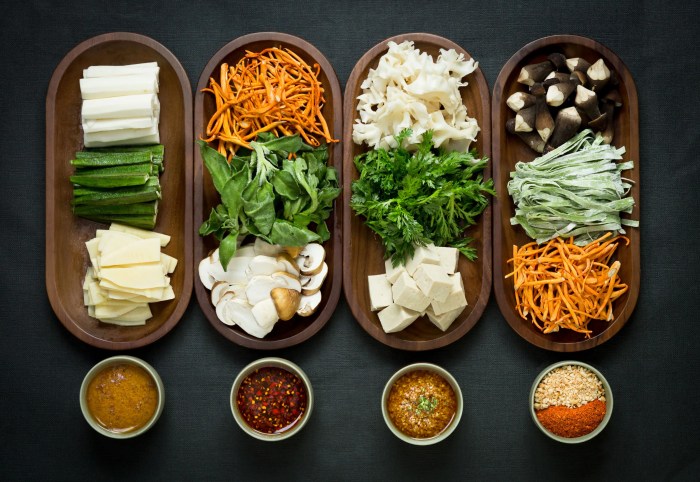
When it comes to exploring local cuisine, car rentals can be a game-changer. They offer the flexibility and convenience needed to access off-the-beaten-path eateries and hidden gems of local food scenes.
Facilitating Culinary Exploration, Local cuisine with unique ingredients
Car rentals provide the freedom to venture to remote areas where authentic local cuisine thrives. Travelers can easily reach countryside restaurants, street food stalls, and traditional markets that may not be accessible by public transportation.
Convenience of Off-the-Beaten-Path Eateries
With a rental car, you can follow your taste buds and discover unique dining spots that are not typically frequented by tourists. This allows for a more immersive culinary experience and a chance to interact with locals in their element.
Recommendations for Foodie Travelers
- Research local food blogs and recommendations to uncover lesser-known culinary hotspots.
- Ask locals or hotel staff for insider tips on where to find the best authentic dishes.
- Be open to trying unfamiliar ingredients and regional specialties for a true taste of the destination.
Combining Car Rentals with Food Tours
For a comprehensive culinary experience, consider pairing a car rental with guided food tours. These tours can take you to multiple dining locations, introduce you to diverse dishes, and provide insights into the culinary traditions of the region.
Scenic Routes
Exploring scenic routes offers a unique opportunity to discover local cuisine with unique ingredients. The picturesque landscapes along these drives often showcase diverse culinary traditions that are worth experiencing.
Iconic Scenic Drives
- One iconic scenic route known for its culinary delights is the Pacific Coast Highway in California. Travelers can indulge in fresh seafood along the coast, including clam chowder in San Francisco and fish tacos in San Diego.
- The Great Ocean Road in Australia is another scenic drive famous for its culinary offerings. From gourmet cheese in Victoria to fresh seafood in Apollo Bay, there’s a wide range of local delicacies to try.
Experiencing Local Dishes
- When embarking on a scenic drive, be sure to research local eateries and food markets along the route. This way, you can sample authentic dishes made with unique ingredients specific to the region.
- Don’t be afraid to try new things and step out of your comfort zone. Some of the best culinary experiences come from trying dishes you’ve never encountered before.
Tips for Travelers
- Plan your meals ahead of time by looking up recommended restaurants or food stops along the scenic route. This can help you make the most of your culinary journey.
- Consider joining a food tour or cooking class during your scenic drive to learn more about the local cuisine and ingredients. This hands-on experience can be both educational and delicious.
Weekend Getaways
Weekend getaways offer the perfect opportunity to explore the culinary delights of local cuisine in different regions. These short trips can be greatly enriched by sampling unique dishes that reflect the culture and traditions of the area.
Destinations for Exceptional Food Experiences
When planning a weekend getaway centered around exploring local cuisine, consider these destinations known for their exceptional food experiences:
- San Francisco, California: Indulge in fresh seafood at Fisherman’s Wharf and enjoy the diverse culinary scene in this vibrant city.
- New Orleans, Louisiana: Immerse yourself in the rich Creole and Cajun flavors of gumbo, jambalaya, and beignets.
- Charleston, South Carolina: Experience Southern hospitality through Lowcountry cuisine with dishes like shrimp and grits and she-crab soup.
- Santa Fe, New Mexico: Delight in the fusion of Native American, Mexican, and Spanish influences in dishes like green chile stew and sopapillas.
Tips for Planning Weekend Trips
Here are some insights on how to plan weekend trips focused on exploring local cuisine:
- Research local eateries and food markets in advance to make the most of your culinary experience.
- Consider booking food tours or cooking classes to learn about the region’s food culture firsthand.
- Be open to trying new dishes and flavors to truly immerse yourself in the local culinary scene.
Question & Answer Hub
What makes local cuisine with unique ingredients stand out?
Local cuisine with unique ingredients stands out due to the authentic flavors and cultural heritage it embodies, providing a distinct culinary experience.
How do unique ingredients contribute to the flavors of local dishes?
Unique ingredients add depth and complexity to local dishes, creating a memorable taste profile that reflects the region’s culinary identity.
Why is it important to preserve traditional recipes using unique ingredients?
Preserving traditional recipes that utilize unique ingredients is essential to safeguarding cultural heritage and passing down culinary traditions to future generations.


