Top-rated travel accessories for safety: Your Ultimate Guide
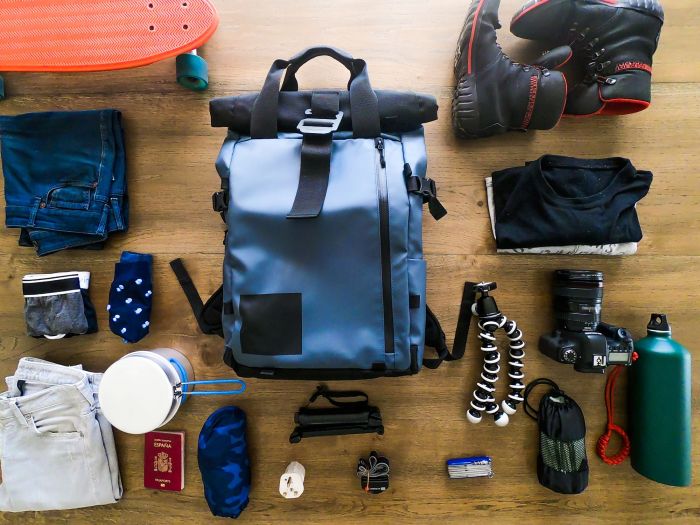
Festival Travel: Top-rated Travel Accessories For Safety
Top-rated travel accessories for safety – When preparing for a festival trip, it is essential to pack efficiently to ensure you have everything you need while keeping your luggage manageable. Here are some tips to help you pack smart for your festival adventure.
Efficient Packing Tips
- Make a packing list: Before you start packing, create a list of essential items you will need for the festival. This will help you stay organized and ensure you don’t forget anything important.
- Pack light: Festivals usually involve a lot of walking and standing, so it’s best to pack light to avoid carrying heavy bags around. Stick to versatile clothing items that you can mix and match.
- Bring essential accessories: Don’t forget to pack items like a reusable water bottle, sunscreen, a hat, and comfortable shoes to keep you protected and comfortable throughout the event.
- Consider the weather: Check the weather forecast for the festival location and pack accordingly. Be prepared for rain or sun by bringing a raincoat or sunglasses.
Top Festivals Around the World
- Rio Carnival, Brazil: Experience the vibrant culture and colorful parades of the Rio Carnival, one of the biggest and most famous festivals in the world.
- Coachella, USA: Join music lovers from around the globe at Coachella, a renowned music and arts festival held in California.
- Oktoberfest, Germany: Celebrate the world’s largest beer festival in Munich, where you can enjoy traditional Bavarian food, music, and of course, beer.
Importance of Safety Measures
- Stay hydrated: Festivals can be physically demanding, so it’s crucial to drink plenty of water to stay hydrated throughout the event.
- Stick together: If you’re attending a festival with friends, make sure to establish a meeting point in case you get separated. It’s essential to stay together and look out for each other.
- Secure your belongings: Keep your valuables safe by using a money belt or a secure backpack. Avoid carrying large sums of cash and only bring essential items with you.
- Follow the rules: Familiarize yourself with the festival’s rules and regulations to ensure a safe and enjoyable experience for yourself and others.
Hiking Trails
When venturing out on hiking trails, it is crucial to be prepared with the right safety gear to ensure a safe and enjoyable outdoor experience. From first aid kits to navigation tools, the right equipment can make a big difference in emergencies or unexpected situations.
Essential Safety Gear
- First aid kit: Always carry a compact first aid kit with essentials like bandages, antiseptic wipes, and pain relievers.
- Emergency whistle: A loud whistle can help signal for help in case you get lost or encounter danger.
- Multi-tool: A versatile multi-tool can come in handy for various tasks on the trail.
- Headlamp or flashlight: Essential for navigating in low-light conditions or emergencies.
Types of Hiking Backpacks
- Daypacks: Lightweight and compact, perfect for short hikes with minimal gear.
- Hydration packs: Include a built-in water reservoir to keep you hydrated on the go.
- Technical backpacks: Designed for longer hikes with extra storage compartments and features.
- Emergency backpacks: Specifically designed to carry essential safety gear for emergencies.
Staying Hydrated
- Water bottles: Carry a reusable water bottle and refill at water stations along the trail.
- Hydration reservoir: Use a hydration bladder to sip water conveniently while on the move.
- Electrolyte tablets: Add electrolyte tablets to your water to maintain hydration and replenish lost minerals.
- Monitor intake: Stay conscious of your water intake and drink regularly to prevent dehydration.
Travel Reviews
When planning a trip, one of the most essential aspects is reading travel reviews to gather insights and recommendations from fellow travelers. These reviews can provide valuable information about accommodations, attractions, restaurants, and most importantly, safety precautions.
Researching and Reading Travel Reviews Effectively
- Look for reviews from recent travelers to get the most up-to-date information.
- Consider the overall tone of the reviews and look for patterns or consistent feedback.
- Read both positive and negative reviews to get a balanced perspective.
- Check multiple review platforms to compare opinions and ratings.
Impact of Safety Reviews on Travelers’ Decisions
- Safety reviews play a crucial role in influencing travelers’ decisions, especially when visiting unfamiliar destinations.
- Travelers prioritize safety above all else, and any negative safety reviews can deter them from choosing a particular location or accommodation.
- Positive safety reviews can instill confidence in travelers and make them feel more secure during their trip.
Reliable Sources for Trustworthy Travel Reviews
- Popular review platforms like TripAdvisor, Yelp, and Google Reviews are commonly used by travelers to share their experiences.
- Travel blogs and forums curated by experienced travelers can provide authentic and detailed reviews.
- Government travel advisories and official tourism websites offer valuable safety information for specific destinations.
Travel Accessories
When it comes to traveling, safety should always be a top priority. Having the right travel accessories can make a big difference in ensuring a safe and secure journey. From anti-theft backpacks to portable door locks, there are plenty of options available to help keep you safe while on the go.
Top-Rated Travel Accessories for Safety
- RFID-blocking wallet or passport holder
- Portable door lock
- Personal safety alarm
- Anti-theft backpack or bag
- Travel money belt
How to Choose the Right Travel Accessories for Different Types of Trips
When selecting travel accessories for safety, it’s important to consider the type of trip you will be taking. For example, if you’re going on a hiking trip, you may need accessories that are more rugged and durable. On the other hand, if you’re traveling to a bustling city, you may want accessories that are more discreet to avoid drawing attention to yourself.
Road Adventures
Road adventures can be exciting and memorable experiences, but they also come with their own set of risks and challenges. It is essential to prioritize safety when embarking on a road trip to ensure a smooth and enjoyable journey.Having a roadside emergency kit is crucial for road adventures, as it can provide you with the necessary tools and supplies to handle unexpected situations.
Items such as a first aid kit, flashlight, jumper cables, spare tire, and basic tools can be lifesavers in case of emergencies.Planning a safe and enjoyable road trip adventure involves careful preparation and consideration of various factors. Make sure to plan your route in advance, inform someone of your itinerary, and research the areas you will be traveling through.
It is also important to check the weather forecast and road conditions before setting off on your journey.Before hitting the road, it is essential to check your vehicle’s safety to prevent any breakdowns or accidents. Ensure that your car is in good working condition by checking the tires, brakes, lights, fluids, and overall mechanical health.
Regular maintenance and inspections can help avoid potential issues during your road adventure.
Importance of a Roadside Emergency Kit
- Include essential items like a first aid kit, flashlight, jumper cables, spare tire, and basic tools in your roadside emergency kit.
- Having a roadside emergency kit can help you handle unexpected situations and stay safe in case of emergencies.
- Regularly check and replenish the supplies in your roadside emergency kit to ensure that they are up to date and functional.
Tropical Islands
When traveling to tropical islands, it is important to consider safety precautions to ensure a smooth and enjoyable vacation. From avoiding tropical diseases to protecting yourself from the sun, there are various measures you can take to stay safe in tropical climates.
Safety Precautions
- Avoid swimming in unsafe or unmonitored waters to prevent accidents and potential hazards.
- Stay hydrated and drink bottled water to avoid dehydration and waterborne illnesses.
- Be mindful of your surroundings and avoid isolated areas, especially at night.
- Follow local guidelines and regulations to ensure a respectful and safe travel experience.
Prevention of Tropical Diseases
- Use insect repellent to protect yourself from mosquito-borne diseases like malaria, dengue fever, and Zika virus.
- Get vaccinated before traveling to tropical destinations to prevent diseases like yellow fever or typhoid.
- Avoid consuming raw or undercooked food to prevent foodborne illnesses.
Sun Protection and Safety Measures, Top-rated travel accessories for safety
- Wear sunscreen with a high SPF to protect your skin from harmful UV rays and prevent sunburn.
- Use protective clothing, hats, and sunglasses to shield yourself from intense sun exposure.
- Seek shade during peak sun hours to avoid heat exhaustion and sunstroke.
Travel Rewards
Travel rewards programs offer a great way to enhance your travel experience while also prioritizing safety. By earning points through your regular spending habits, you can access benefits such as travel insurance, emergency assistance services, and exclusive access to safer accommodations and transportation options.
Comparison of Travel Rewards Programs for Safety Benefits
- Some travel rewards programs provide comprehensive travel insurance coverage, including medical expenses, trip cancellation/interruption, and emergency evacuation, enhancing your safety net while traveling.
- Certain programs offer 24/7 emergency assistance services, providing you with immediate support in case of any unforeseen circumstances or emergencies during your journey.
- Access to exclusive benefits like priority boarding, airport lounge access, and discounted rates on car rentals can contribute to a smoother and safer travel experience overall.
Tips for Maximizing Travel Rewards for Safer Journeys
- Choose a travel rewards program that aligns with your travel preferences and offers safety-focused benefits like travel insurance and emergency assistance.
- Utilize your rewards points strategically to upgrade to safer accommodations, secure travel insurance coverage, or access emergency assistance services when needed.
- Stay informed about the latest promotions and offers from your travel rewards program to make the most out of your points and enhance your travel safety.
Winter Getaways
When embarking on a winter getaway, it is crucial to be prepared for the cold weather conditions to ensure a safe and enjoyable experience.
Checklist of Essential Items for Safety During Winter Getaways
Before heading out on your winter adventure, make sure to pack the following essential items to keep you safe and comfortable:
- Insulated and waterproof winter jacket
- Thermal base layers
- Warm hat, gloves, and scarf
- Sturdy winter boots with good traction
- Snow goggles or sunglasses
- Hand warmers
- Emergency blanket
- First aid kit
Importance of Layering Clothing for Safety in Cold Climates
Layering clothing is essential when exploring cold climates as it helps regulate body temperature and provides flexibility to adjust to changing weather conditions. The layering system typically consists of three layers:
- Base Layer:Moisture-wicking fabric to keep skin dry
- Insulating Layer:Materials like fleece or down to trap heat
- Outer Layer:Waterproof and windproof shell to protect from elements
Staying Safe While Engaging in Winter Sports Activities
Winter sports activities can be exhilarating but also pose risks, so it’s important to prioritize safety. Here are some tips to stay safe:
- Always wear a helmet when skiing or snowboarding
- Stay on marked trails and follow all safety guidelines
- Check weather conditions before heading out and be prepared for changes
- Carry a fully charged phone and emergency contact information
- Stay hydrated and take breaks to prevent exhaustion
Camping Sites
When embarking on a camping trip, safety should always be a top priority. Having the right equipment and knowledge can make all the difference in ensuring a safe and enjoyable experience in the great outdoors.
Must-Have Safety Equipment for Camping Trips
- First Aid Kit: A comprehensive first aid kit is essential for addressing any minor injuries or emergencies that may occur during your camping trip.
- Fire Extinguisher: In case of accidental fires, having a fire extinguisher on hand can help prevent a small fire from turning into a disaster.
- Headlamp or Flashlight: Illumination is key, especially during nighttime activities or emergencies. Make sure to pack extra batteries.
- Emergency Whistle: A whistle can be a lifesaver in signaling for help if you get lost or encounter a dangerous situation.
Setting Up a Safe Campsite for a Camping Adventure
- Choose a Level Ground: Look for a flat and even surface to set up your tent to avoid any accidents or discomfort during sleep.
- Keep Food Secure: Store all food and scented items in airtight containers or bear-proof canisters to prevent attracting wildlife to your campsite.
- Clear the Area: Remove any debris, rocks, or sharp objects from the campsite to create a safe and clean environment.
- Camp Away from Water: While it may seem picturesque, camping too close to water sources can pose risks during floods or heavy rain.
Wildlife Safety and Food Storage Tips
- Properly Store Food: Keep food in sealed containers and away from your sleeping area to deter animals from approaching your campsite.
- Dispose of Trash Properly: Pack out all trash and food waste to avoid attracting wildlife and maintain the cleanliness of the campsite.
- Respect Wildlife: Keep a safe distance from wild animals, avoid feeding them, and never approach or attempt to touch them.
- Know How to React: Familiarize yourself with wildlife encounters and know how to react in case you come across potentially dangerous animals.
Local Cuisine
When traveling to different countries, one of the best ways to experience the culture is through trying the local cuisine. However, it is important to be cautious when trying new foods to ensure your safety and enjoyment.
Food Safety Tips
- Always opt for cooked foods over raw foods to reduce the risk of foodborne illnesses.
- Avoid street food vendors with questionable hygiene practices to prevent digestive issues.
- Drink bottled water or beverages from sealed containers to avoid waterborne diseases.
- Check for reviews or recommendations from trusted sources before dining at local eateries.
Common Food Allergies
- Be aware of common food allergens such as nuts, shellfish, dairy, and gluten when trying local dishes.
- Carry necessary medications like antihistamines or epinephrine in case of accidental allergen exposure.
- Inform restaurant staff about your allergies to prevent cross-contamination during food preparation.
Choosing Safe Eateries
- Look for restaurants with high cleanliness standards and visible food handling practices to ensure a safe dining experience.
- Opt for busy eateries frequented by locals as they are likely to have fresh ingredients and proper cooking techniques.
- Ask for recommendations from locals or your accommodation hosts for authentic and safe dining options.
Wildlife Safaris
Planning a wildlife safari adventure can be an exciting and unforgettable experience, but it is essential to prioritize safety for both yourself and the animals you encounter during your journey. Here are some safety guidelines and tips to keep in mind when embarking on a wildlife safari:
Safety Guidelines for Wildlife Safaris
- Always follow the instructions and guidelines provided by your safari guide. They are trained professionals who understand how to handle wildlife encounters safely.
- Keep a safe distance from animals at all times. Approaching wildlife too closely can provoke them and lead to dangerous situations.
- Do not feed the animals. Feeding wildlife can disrupt their natural behavior and create dependency on humans for food.
- Avoid making sudden movements or loud noises that could startle the animals. Remain calm and observe from a safe distance.
- Respect the natural habitat by not littering or disturbing the environment. Leave only footprints and take only memories.
Choosing Reputable Wildlife Safari Operators
- Research and choose safari operators with a good reputation for ethical and responsible wildlife encounters.
- Read reviews and testimonials from previous travelers to ensure the operator prioritizes safety and conservation efforts.
- Check if the operator is certified by relevant wildlife conservation organizations to ensure they adhere to best practices.
- Inquire about the safety measures in place during the safari, such as trained guides, emergency protocols, and vehicle conditions.
- Avoid operators that promote interactions with wildlife that are harmful or exploitative for entertainment purposes.
Respecting Wildlife and Natural Habitats
- Remember that you are a guest in the animals’ home. Treat them with respect and observe from a distance without disturbing their natural behavior.
- Avoid touching or approaching animals, as this can stress them and lead to unpredictable behavior.
- Do not remove or collect any plants, rocks, or other items from the natural habitat. Leave everything as you found it to preserve the ecosystem.
- Support conservation efforts by donating to local wildlife organizations or participating in eco-friendly safari experiences that prioritize sustainability.
Travel Vlogs
Travel vlogs have become increasingly popular as a way to document and share travel experiences with a wider audience. When creating engaging travel vlogs, it’s essential to prioritize safety and responsible travel practices to ensure a positive and informative viewer experience.
Tips for Creating Engaging Travel Vlogs with Safety in Mind
- Plan Ahead: Before embarking on your trip, research the destination thoroughly to identify any potential safety concerns or risks. This will help you to plan your vlog content accordingly and take necessary precautions.
- Use Discreet Equipment: Avoid drawing unnecessary attention to expensive camera gear or equipment that may make you a target for theft. Opt for compact and discreet filming gear to blend in with your surroundings.
- Stay Alert: While capturing footage for your vlog, remain aware of your surroundings and trust your instincts. If a situation feels unsafe or uncomfortable, prioritize your well-being over getting the perfect shot.
- Respect Local Customs: Be mindful of cultural norms and customs when filming in a new location. Seek permission before filming individuals or sensitive areas to avoid unintentionally causing offense.
- Edit Responsibly: When editing your travel vlog, be mindful of the content you choose to include. Avoid showcasing reckless behavior or activities that may encourage unsafe practices among your viewers.
Role of Travel Vlogs in Promoting Safe and Responsible Travel Practices
- Education and Awareness: Travel vlogs have the power to educate and raise awareness about safe and responsible travel practices. By sharing tips, insights, and personal experiences, vloggers can inspire their audience to prioritize safety during their own adventures.
- Community Engagement: Travel vlogs create a sense of community among viewers who share a passion for travel. Vloggers can use this platform to promote positive behaviors, such as respecting the environment, supporting local communities, and prioritizing safety in all aspects of travel.
- Influence and Impact: As influencers in the travel space, vloggers have the opportunity to influence their audience’s attitudes and behaviors towards safe and responsible travel. By leading by example and showcasing best practices, they can contribute to a culture of safety within the travel community.
Car Rentals
When it comes to renting a car for travel, safety should always be a top priority. From choosing a vehicle with the right safety features to understanding the importance of insurance coverage, there are several factors to consider to ensure a safe and enjoyable journey.
Compare Safety Features
When renting a car, it is essential to compare the safety features of different vehicles. Look for features such as airbags, anti-lock brakes, electronic stability control, and backup cameras. These features can help prevent accidents and protect you in the event of a collision.
Importance of Insurance Coverage
Insurance coverage is crucial when renting a car. It provides financial protection in case of an accident, damage to the vehicle, or theft. Make sure to understand the type of coverage offered by the rental company and consider purchasing additional insurance if needed for peace of mind during your trip.
Safe Driving Practices
When using car rentals, it is important to practice safe driving habits. Always wear your seatbelt, avoid distractions while driving, follow traffic rules and speed limits, and never drive under the influence of alcohol or drugs. Be mindful of road conditions and be prepared for unexpected situations to ensure a safe journey for yourself and others on the road.
Scenic Routes
When embarking on a journey along scenic routes, it is essential to prioritize safety to ensure a smooth and enjoyable travel experience. Here are some safety precautions to consider when taking scenic routes for travel:
Planning Rest Stops and Breaks
- Plan regular rest stops to avoid fatigue while driving long distances.
- Take breaks every couple of hours to stretch your legs and refresh your mind.
- Stay hydrated and have snacks on hand to maintain energy levels throughout the drive.
Navigating Challenging Terrains Safely
- Drive at a safe speed that suits the road conditions and visibility.
- Keep a safe distance from other vehicles, especially on winding roads or steep inclines.
- Be prepared for sudden weather changes and adjust your driving accordingly.
Weekend Getaways
Taking a weekend getaway can be a great way to unwind and recharge without taking too much time off work or other responsibilities. It’s important to pack efficiently and plan ahead to ensure a safe and enjoyable trip.For a safe and enjoyable weekend getaway, consider the following packing list:
Packing List
- Weather-appropriate clothing and footwear
- Personal hygiene items
- Medications and first aid kit
- Travel documents and identification
- Cash and credit cards
- Snacks and water bottle
- Entertainment options (books, music, etc.)
- Sunscreen and insect repellent
When planning for a short trip, safety should always be a top priority. Here are some tips to consider:
Safety Planning and Preparation
- Research your destination and familiarize yourself with local emergency contacts.
- Share your itinerary with a friend or family member.
- Keep important documents and valuables secure.
- Stay aware of your surroundings and trust your instincts.
- Stay hydrated and take breaks during travel to avoid fatigue.
Weekend getaways can have numerous benefits for overall well-being and stress relief. By taking time to relax and explore new places, you can:
Benefits of Weekend Getaways
- Reduce stress and improve mental health
- Boost creativity and productivity
- Strengthen relationships with loved ones
- Experience new cultures and perspectives
- Gain a fresh perspective and recharge for the week ahead
Essential Questionnaire
What are the must-have travel accessories for safety?
Some essential travel accessories for safety include a money belt, a portable safe, a first aid kit, a travel lock, and a personal alarm.
How do I choose the right travel accessories for my trip?
When selecting travel accessories, consider the destination, duration of the trip, and specific safety needs. Opt for versatile and durable items that offer practicality and security.
Are travel accessories for safety expensive?
While some high-end travel accessories can be pricey, there are plenty of budget-friendly options available that still provide excellent safety features. It’s crucial to prioritize quality and functionality over cost.


